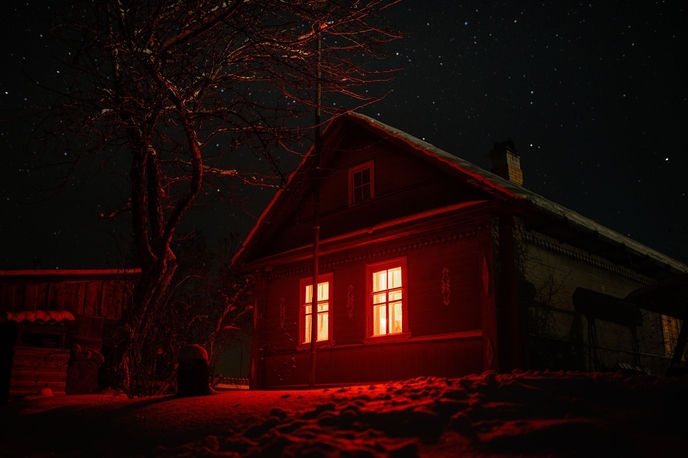
Haunted houses are designed to make visitors feel unsafe. Dark hallways, sudden noises, masked actors, strobe lights, fog, tight spaces, and unexpected scares are all part of the experience.
But there is an important difference between feeling unsafe and actually being placed in an unreasonably dangerous situation.
If you are injured at a haunted house or Halloween attraction in Florida, you may be able to pursue a personal injury claim when the accident was caused by negligence rather than simply an ordinary risk of the attraction. Potential claims can involve unsafe walking surfaces, defective props, inadequate crowd control, negligent employees, falling objects, poorly maintained structures, or other hazards that go beyond the scares a visitor reasonably expects.
The fact that you voluntarily entered a haunted attraction or signed a waiver does not necessarily prevent you from having a claim.
Can You Sue a Haunted House for an Injury?
Potentially.
A haunted house operator is not automatically responsible whenever someone gets hurt. Visitors knowingly enter an environment intended to be dark, startling, disorienting, and frightening. Some risks are therefore part of the experience itself.
The more important question is what caused the injury.
There is a substantial difference between stumbling backward because an actor unexpectedly jumped out of the darkness and falling because a walkway contained an unmarked hole. Likewise, being startled by an actor is very different from being struck by an unsecured prop or being pushed into a wall because an attraction allowed too many guests into a confined area.
A potential negligence claim may exist when the attraction owner or operator created a dangerous condition, knew or should have known about a hazard, failed to correct it, or failed to provide an appropriate warning. It is important to speak with an attorney who can assess the facts of the case to identify who is liable after an incident.
What Risks Are Part of a Haunted House Experience?
When someone purchases admission to a haunted attraction, certain experiences are expected.
Visitors may encounter darkness, flashing lights, loud noises, artificial smoke or fog, narrow passages, actors who suddenly appear, disturbing imagery, and situations designed to cause people to jump, stop suddenly, change direction, or become disoriented.
Being frightened by those elements generally does not, by itself, mean that an attraction was negligent.
That distinction can become particularly important when the injury results directly from the scare. If someone becomes startled and simply trips over their own feet, for example, the attraction may argue that the accident arose from the very experience the guest chose to participate in.
The analysis changes when something outside the expected experience contributes to the injury.
A visitor may expect a dark hallway. They may not expect a loose electrical cord stretched across that hallway. They may expect an actor to lunge towards them. They may not expect the actor to tackle them. They may expect a confusing maze. They may not expect an improperly secured wall or platform to collapse.
Determining where an inherent risk ends and negligence begins is often one of the central issues in a Halloween attraction injury case. An experienced attorney can help identify whether an accident was the result of negligence and if you have a claim.
What Types of Haunted House Accidents Can Lead to Liability?
Many injuries at haunted attractions resemble traditional premises liability accidents, although the deliberately dark and chaotic environment can make them more complicated.
Falls in Dark or Obstructed Walkways
Darkness is part of the attraction, but operators still have a responsibility to consider whether guests can safely navigate the premises.
Uneven flooring, damaged stairs, unexpected elevation changes, exposed cables, unsecured mats, debris, poorly positioned props, or other obstacles can create hazards that visitors have little opportunity to recognize in a deliberately low-light environment.
Temporary Halloween attractions may deserve particular attention because structures, partitions, wiring, props, ramps, and walking surfaces may have been installed specifically for the season.
Falling or Unsecured Props
Haunted houses frequently use large decorations, animatronics, suspended objects, moving set pieces, temporary walls, and elaborate displays.
If a prop falls, a temporary structure collapses, or a mechanical effect strikes a visitor because it was improperly installed or maintained, the question may involve the design, installation, inspection, or maintenance of the equipment.
Crowd-Control Problems
Popular Halloween events can place large numbers of people into narrow corridors and confined spaces.
If guests are admitted too quickly, frightened patrons may collide with one another, fall, or become trapped in a crowd. An emergency can become considerably more dangerous when guests cannot identify an exit or employees do not know how to stop the flow of people entering the attraction.
Operators should consider how many people can safely occupy a particular area, how groups are spaced, how exits remain accessible, and how employees will respond if someone is injured or panics.
Injuries Involving Haunted House Actors
Interactions with costumed performers can create another difficult liability question.
Visitors expect actors to approach them, startle them, follow them, or otherwise contribute to the illusion of danger. The extent of permitted physical contact, however, can vary substantially across attractions.
An injury may raise additional questions when an actor grabs, shoves, strikes, chases, or makes physical contact with a visitor. Investigators may need to examine the attraction's policies, employee training, and whether similar incidents had occurred before.
Mechanical Effects and Equipment
Some attractions use moving floors, animatronics, air blasts, pneumatic devices, doors, platforms, vehicles, or other mechanical effects.
When those systems malfunction or are positioned improperly, they can cause injuries unrelated to the ordinary experience of being frightened.
The manufacturer, installer, maintenance provider, property owner, or attraction operator may become relevant depending on what caused the equipment to fail.
Fire, Electrical, and Emergency Exit Hazards
Temporary electrical installations, theatrical lighting, fog equipment, decorations, and other Halloween effects can create fire and electrical hazards if they are not properly installed or maintained.
Emergency exits are also particularly important in an environment intentionally designed to confuse visitors.
A maze is supposed to make finding the next room difficult. It should not make escaping a real emergency unreasonably dangerous.
Are Haunted Houses Regulated in Florida?
Florida law creates requirements for certain amusement attractions.
Under Florida's Amusement Ride and Attraction Insurance Act, an "amusement attraction" can include a building or structure through which people walk for amusement, pleasure, thrills, or excitement. Depending on the attraction and whether a statutory exemption applies, an operator may be required to maintain liability insurance.
That does not mean every Halloween event is governed by the same requirements. A large commercial haunted attraction, a temporary installation, a nonprofit fundraiser, a theme-park event, and a small community attraction may present different regulatory questions.
When a serious injury occurs, determining which regulations, permits, inspections, insurance requirements, fire codes, and local ordinances applied to the attraction can become an important part of the investigation.
What If You Signed a Liability Waiver?
Some haunted attractions require visitors to sign a waiver or acknowledge terms and conditions when purchasing tickets. A waiver does provide the operator with some protection against lawsuits, but doesn’t necessarily prevent you from having a claim.
Florida courts may enforce clearly written liability releases, including releases connected to recreational activities. The exact wording of the agreement therefore matters. But the existence of a waiver does not necessarily mean that every possible injury is covered.
An attorney reviewing the agreement may examine what risks were described, what conduct was released, which businesses or individuals were protected, how the agreement was presented, and whether the circumstances that caused the injury fall within the scope of the release.
The attraction advertised to the public may also not be the only business involved. A separate company may own the property, install the temporary structure, provide security, manufacture animatronic devices, or operate part of the event. These other companies may not be covered by the waiver and may have separate agreements with the operator.
A release protecting one party does not automatically answer whether another potentially responsible party is protected. Anyone seriously injured at a haunted attraction should preserve the ticket, waiver, confirmation email, online purchase terms, and any other documents received when admission was purchased.
What If the Attraction Says You Were Responsible for Your Own Injury?
That is a common defense in premises liability cases, and the unusual environment of a haunted house can make the issue especially important.
An operator may argue that a visitor ran after being told not to run, climbed onto a restricted area, ignored employee instructions, entered an area marked as off-limits, was intoxicated, or otherwise contributed to the accident.
Florida uses a comparative-fault system. An injured person's own conduct can therefore affect the ability to recover and the amount of compensation available.
For example, an attraction may argue that someone injured while running through a dark hallway contributed to the accident. The injured visitor may respond that an unexpected physical hazard in the walkway was the primary cause.
Photographs, surveillance footage, employee reports, witness testimony, attraction rules, and the condition of the premises can become critical when the parties disagree about what happened.
Who Could Be Responsible for a Haunted House Injury?
The company operating the haunted house is an obvious place to begin, but it may not be the only potentially responsible party.
Many seasonal attractions involve several different companies. The property may be leased for a few weeks. A contractor may build the interior maze. Another business may install electrical equipment or mechanical effects. Independent security personnel may handle crowd control, while outside vendors supply certain props or equipment.
Depending on the accident, responsibility could potentially involve the attraction operator, property owner, event organizer, contractor, security company, equipment manufacturer, maintenance provider, or another business.
Identifying who created the dangerous condition and who had responsibility for correcting it can be just as important as determining what caused the accident.
What Should You Do After Being Injured at a Haunted House?
If you have been seriously injured at a Haunted House or attraction, seek medical attention immediately.
Evidence can be especially difficult to preserve after an accident at a seasonal attraction.
Temporary decorations may be moved immediately. A dangerous prop may be repaired. Surveillance footage can be overwritten. Temporary structures may be dismantled soon after Halloween. Employees and actors may only work at the attraction for a few weeks.
If your condition allows, several pieces of information can become particularly valuable:
- Photograph or record the area where the accident occurred and the condition that caused it.
- Report the injury to attraction management and request any incident report.
- Obtain names and contact information from witnesses.
- Preserve your admission ticket, waiver, receipt, confirmation email, and online purchase documents.
- Keep photographs of your injuries and records of medical treatment.
- Save any videos taken by you, your group, or other visitors before or immediately after the accident.
Don’t assume that management will preserve every relevant piece of evidence simply because an incident report was completed.
An attorney can promptly request preservation of surveillance video, photographs, employee schedules, inspection records, maintenance records, training materials, contracts, incident reports, and other evidence before it is lost.
What Compensation May Be Available?
When negligence causes a serious injury, compensation may be available for medical treatment, rehabilitation, lost income, diminished earning ability, pain and suffering, disability, and other losses resulting from the accident.
The severity of injuries at Halloween attractions can vary considerably. A fall can result in fractures, torn ligaments, head injuries, or spinal injuries. Falling structures or mechanical equipment can cause more significant trauma.
When an accident results in a fatal injury, surviving family members or the personal representative of the estate may also have rights under Florida's wrongful death laws.
Why Premises Liability Experience Matters
Haunted house injuries can initially sound unusual, but the legal issues frequently involve familiar principles of premises liability and negligence.
The difficulty is separating the intentionally frightening features of the attraction from conditions that created an unreasonable risk of actual harm.
An experienced personal injury attorney can investigate how the attraction was designed and operated, determine who controlled the property, identify contractors and other responsible parties, analyze any liability release, obtain insurance information, preserve temporary evidence, and determine whether applicable regulations or safety requirements were violated.
That investigation is particularly important with seasonal businesses because the attraction may look completely different or may not even exist just weeks after the accident.
Frequently Asked Questions About Haunted House Injuries in Florida
Can I sue because a haunted house scared me and I fell?
Possibly, but simply being frightened is normally part of the experience you chose to enter. A stronger liability question may exist when another dangerous condition such as defective flooring, an obstruction, an unsafe prop, or improper employee conduct contributed to the fall.
Can I sue if a haunted house actor injured me?
Potentially. Whether the attraction is responsible may depend on what the actor did, what physical interaction visitors were told to expect, the attraction's policies, employee training and supervision, and the circumstances surrounding the injury.
Can I sue if I signed a haunted house waiver?
Possibly. Liability releases can be enforceable in Florida, so the exact agreement should be reviewed by an attorney. The language of the waiver, the cause of the injury, the parties it protects, and the particular legal claims involved can all affect its application.
What if I tripped because the haunted house was dark?
Darkness alone may be an expected feature of the attraction. However, deliberately creating a dark environment does not necessarily excuse every physical hazard hidden within it. The cause of the fall and the condition of the walkway would need to be investigated.
How long do I have to bring a claim?
Deadlines depend on the type of claim and the circumstances involved. Because Halloween attractions are frequently temporary, however, preserving evidence can be just as urgent as determining the ultimate filing deadline.
Injured at a Haunted Attraction in Florida? Mase Seitz Briggs Can Help
Going to a haunted house means agreeing to be frightened. It does not necessarily mean accepting preventable hazards that place visitors at an unreasonable risk of physical injury.
When a serious accident occurs, determining whether the injury resulted from an expected part of the attraction or from negligence requires a careful examination of the premises, the operator's conduct, any liability waiver, and the circumstances leading to the accident.
Mase Seitz Briggs has more than 25 years of experience handling serious personal injury and premises liability matters throughout Florida. Our attorneys investigate complex accidents, identify responsible parties, preserve evidence, and help injured clients understand their legal options.
If you or a loved one has been seriously injured at a haunted house, Halloween event, or other seasonal attraction in Florida, contact Mase Seitz Briggs to discuss your case.
This article provides general information and is not legal advice. Reading it does not create an attorney-client relationship.