Florida's waterways are some of the busiest in the country, which makes clear safety rules essential. Among the most important of these rules are no-wake zones. Although they may seem straightforward, many boating accidents occur because operators ignore or misunderstand these areas. When that happens, victims may have the right to pursue compensation for their injuries and property damage.
What Are No Wake Zones in Florida?
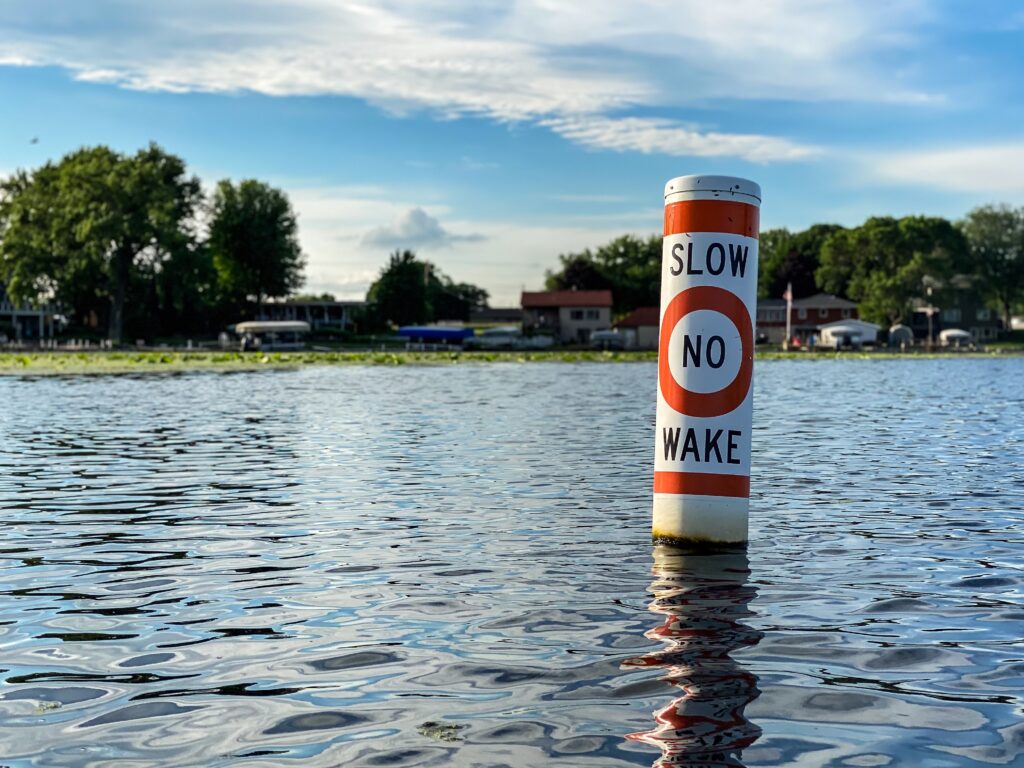
A no-wake zone is a designated area where boat operators must reduce their speed so their vessel creates little or no wake. A wake is the wave pattern created behind a moving boat. Even small wakes can create significant hazards for nearby vessels, swimmers, docks, and shorelines.
No-wake zones are commonly found near marinas, bridges, residential waterfronts, boat ramps, and environmentally sensitive zones. Signs or buoys mark the boundaries and typically state either "idle speed" or "no wake." Operators are responsible for paying attention to these markers and adjusting their speed accordingly. These rules protect people and property while also preventing erosion of banks and other land features.
Florida’s No Wake Zone Regulations
Florida no wake zone regulations fall under state and local laws that govern vessel safety. The Florida Fish and Wildlife Conservation Commission provides authority for marking and enforcing these zones. The general requirement is that a boat must travel at idle speed or slow enough to avoid creating a wake.
These regulations protect people and property by reducing the likelihood of boating collisions, capsizing, or injuries caused by unstable water conditions. The rules also help preserve marine habitats, minimize shoreline erosion, and protect manatees and other wildlife.
Failing to follow Florida boating rules, including compliance with no-wake zones, can expose operators to serious civil liability if their actions cause an accident. Violations may also result in citations and fines, but these penalties are separate from the personal injury claims that accident victims can pursue.
How Boat Operators May Be Held Liable
When a boating accident occurs in a no wake zone, Florida law allows injured victims to pursue compensation from careless operators. Liability is usually based on whether the boat operator failed to act with reasonable care. In no-wake zones, reasonable care includes following posted speed requirements and operating the vessel in a way that avoids creating hazardous conditions.
Common violations that lead to liability:
- Entering a no wake zone without slowing down
- Creating excessive wake that injures swimmers or passengers
- Causing property damage to docks, seawalls, or other vessels
- Ignoring posted signs or markers
- Operating a vessel inattentively or at unsafe speeds
What Can You Recover in a Wake Zone Accident?
A boat operator who violates Florida no wake zone regulations and causes an accident can be held financially responsible for the resulting harm. Victims may pursue compensation for personal injuries, medical bills, lost income, rehabilitation, pain and suffering, and property damage. Liability is generally easier to establish in no-wake zones because the speed restrictions are clear and operators are expected to always comply.
Personal injury claims involving boating accidents often require evidence such as witness statements, surveillance footage, wake patterns, vessel positions, and official marine patrol reports. A Florida boat accident lawyer can help gather and preserve this evidence before it is lost.
What to Do If You Are Involved in a No Wake Zone Accident
Boating accidents can be disorienting and stressful, especially when they occur in areas where safety rules should have prevented harm. Taking the right steps immediately after an incident can help protect both your health and your legal rights.
Important Steps to Take:
- Seek medical attention: Even if injuries seem minor, get checked by a medical professional. Some injuries, like concussions or soft tissue damage, may not appear right away. Save these records as they will be very important for your case.
- Contact marine patrol or law enforcement: An official accident report can serve as critical evidence in a future claim.
- Document the scene: Take photos or videos of vessel damage, water conditions, no wake zone signs, and any visible injuries.
- Collect witness information: Passengers, nearby boaters, or marina staff may have seen the accident occur.
- Avoid discussing fault: Don't make statements about responsibility at the scene. Allow investigators and your attorney to evaluate the facts.
- Report the incident to your insurer, but be cautious: Insurance companies may attempt to limit your claim, so consider speaking with an attorney before giving statements.
If you believe another boat operator violated no-wake zone laws and caused your injuries, it's important to consult a Florida maritime lawyer as soon as possible. Evidence on the water can disappear quickly, and waiting can make it harder to build a strong case.
Trial Lawyers Who Fight for You
Boating accident claims can become complex because they often involve state and federal maritime law, unique evidence issues, and disputes over fault. At Mase Seitz Briggs, we are trial lawyers who prepare every case from day one with the courtroom in mind.
Insurance companies know which attorneys will take cases to trial and which will settle for less. When you have trial lawyers representing you, the defense approaches your case differently—they know we have the experience and resources to fight for you all the way to verdict if necessary. This trial preparation often leads to better settlement offers, but when settlement isn't fair, we're ready to go to court.
A Miami maritime lawyer from Mase Seitz Briggs can help by:
- Investigating the collision and gathering evidence
- Determining whether the operator violated no wake zone rules
- Identifying all liable parties and potential insurance coverage
- Calculating damages related to medical care, lost income, and long-term needs
- Handling all communication with insurers
- Representing you in negotiations or litigation
Our attorneys focus on personal injury and maritime cases and have extensive experience handling no-wake zone accident claims throughout South Florida. We build cases that stand up in federal court by working with marine experts, gathering comprehensive evidence, and preparing every detail as if we're going to trial—because we're always ready to do exactly that.
If you were injured because a boat operator failed to comply with Florida boating laws, you deserve the compensation you need for your recovery. To speak directly with an attorney about your case, contact us at (305) 377-3770 for your free, confidential consultation.
Maritime law is what we do. Let us put our experience to work for you.