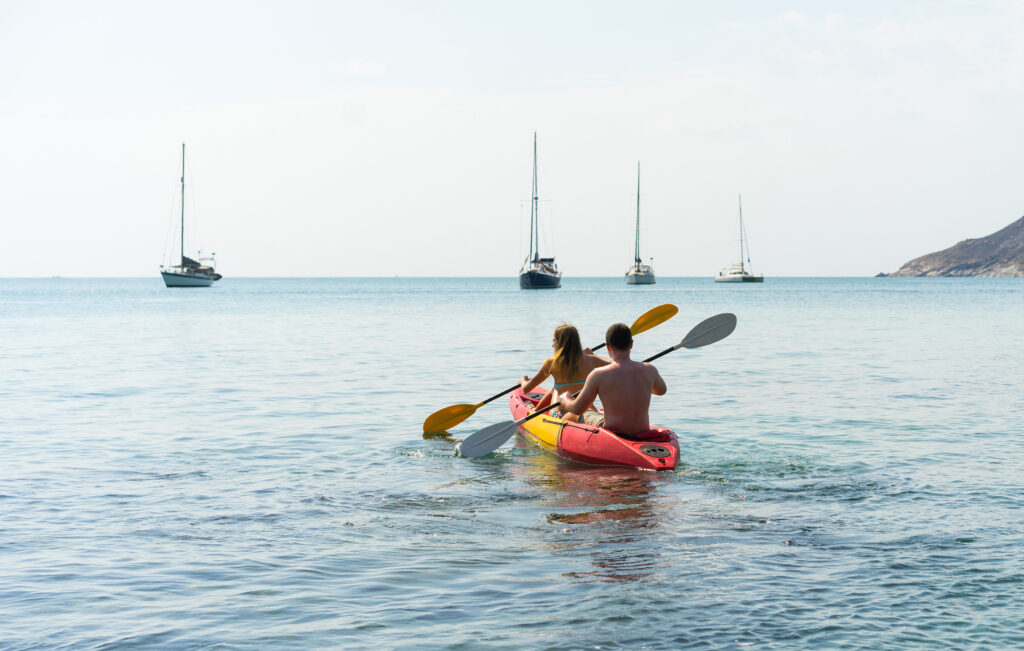
Kayaking, canoeing, and paddleboarding are popular ways to enjoy Florida’s waterways, from coastal bays to inland rivers and canals. While these activities may seem low-risk compared to motorized boating, serious injuries can and do occur. Collisions with larger vessels, unsafe rental practices, and hazardous water conditions can turn a day on the water into a medical and legal emergency.
At Mase Seitz Briggs, our Miami maritime and personal injury lawyers represent individuals injured in kayaking, canoeing, and paddleboarding accidents throughout Florida. Understanding how these accidents happen, who may be responsible, and what steps to take afterward can make a critical difference in protecting your health and your legal rights.
Florida’s Year-Round Watersports Lifestyle and Its Hidden Dangers
Florida’s warm climate and extensive waterways create ideal conditions for water sports year-round. Unfortunately, the same conditions also increase risks. Kayaks and paddleboards offer little protection in the event of a boating collision and are often difficult for larger boats to see, especially in busy waterways or low-visibility conditions.
Many accidents occur in areas shared by tour boats, jet skis, fishing vessels, and commercial traffic. Inexperienced operators, crowded conditions, and rapidly changing weather can all contribute to dangerous situations. Even calm-looking waters can hide strong currents, submerged hazards, or sudden boat traffic that puts paddlers at risk.
What Usually Causes Kayaking, Canoeing, or Paddleboard Accidents?
Kayaking, canoeing, and paddleboarding are relaxing and rewarding ways to enjoy the water, but they come with serious risks. Many accidents happen because of factors that are entirely preventable, from careless boaters to unsafe equipment or weather conditions. Understanding the most common causes can help paddlers and tour operators take steps to stay safe.
Collisions with Larger Boats or Personal Watercraft
One of the most serious causes of kayaking and paddleboarding injuries is a collision with a motorized vessel. Larger boats may fail to keep a proper lookout, travel too fast in no-wake zones, or operate too close to non-motorized watercraft. Because kayaks and paddleboards sit low in the water, they are especially vulnerable to being struck.
Inexperienced or Reckless Boat Operators
Inattention, alcohol use, speeding, and failure to follow navigation rules can all lead to accidents. When boat operators act carelessly around paddlers, the risk of catastrophic injury increases significantly.
Equipment Failure or Defective Gear
Broken paddles, unstable boards, faulty life vests, or damaged hulls can cause loss of balance or control. Defective or poorly maintained equipment is a common issue in rental situations, where gear may be used repeatedly without proper inspection.
Poor Weather or Unsafe Water Conditions
Sudden storms, high winds, strong currents, or rough water can overwhelm even experienced paddlers. In some cases, accidents occur because tour operators or rental companies fail to warn participants about known hazards or changing conditions.
Negligence by Tour or Rental Operators
Guided tours and rental companies have a duty to provide safe equipment, proper instruction, and reasonable supervision. Failing to assess participant skill levels, overcrowding tours, or ignoring safety protocols can lead to preventable injuries.
Understanding Liability After a Kayaking or Paddleboarding Injury
When a kayaking or paddleboarding outing ends in an accident, determining who is legally responsible can be confusing. Liability may depend on the actions of other boaters, the condition of the equipment, or the safety measures taken by rental companies and tour operators.
When Another Boater’s Negligence is to Blame
If a motorboat or personal watercraft operator caused the accident through careless or reckless behavior, they may be held liable for resulting injuries. These claims often fall under federal maritime or Florida law, depending on where the accident occurred.
Equipment or Product Defects That Cause Injury
Manufacturers and distributors may be responsible when defective kayaks, paddleboards, or safety gear contribute to an accident. Product liability claims may involve design flaws, manufacturing defects, or failure to warn of known risks or foreseeable misuses.
Liability for Unsafe Rentals or Instruction Errors
Rental shops and tour companies can be liable if they provide faulty equipment, give improper instructions, or send customers into unsafe conditions. These cases often involve questions of negligent supervision and failure to meet industry safety standards. Even if you signed a release waiver, you may still be entitled to legal action.
Responsibility on Public Waterways
Accidents on public waterways may involve multiple parties, including private boaters, commercial operators, or even government entities responsible for waterway maintenance or signage. Determining liability requires a careful investigation of the circumstances.
Steps to Take After a Florida Kayak or Paddleboard Accident
What you do immediately after a kayaking, canoeing, or paddleboarding accident can affect both your physical recovery and your ability to pursue a legal claim. Taking the following steps as soon as possible can help protect your health and your rights:
- Report the accident to the appropriate authorities: Notify local law enforcement, the Coast Guard if applicable, marina personnel, or tour or rental operators. An official report can be a critical piece of evidence if liability is later disputed.
- Seek medical attention right away: Even if your injuries seem minor, get evaluated by a medical professional as soon as possible. Some injuries, including head trauma, internal injuries, or soft tissue damage, may not be immediately apparent. Prompt medical care also creates important documentation linking your injuries to the accident.
- Document the scene with photos or video: Take pictures or videos of the accident location, water conditions, weather, nearby vessels, equipment involved, and any visible injuries. Conditions on the water can change quickly, making early documentation especially important.
- Collect witness information: Get the names and contact information of anyone who saw the accident, including other boaters, passengers, or staff. Independent witness statements can help support your version of events.
- Preserve damaged equipment: If possible, keep the kayak, paddleboard, life jacket, or other equipment involved in the accident. Defective or damaged gear may be important evidence in a product liability or negligence claim.
- Be cautious when dealing with insurance companies: Avoid giving recorded statements or signing documents from insurers without legal guidance. It is commonplace for phone conversations with insurers to be recorded and what you say may be used against you during legal proceedings. Early statements can be used to minimize or deny your claim before the full extent of your injuries is known.
- Contact a kayaking or paddleboarding accident attorney today: A personal injury attorney can help you gather evidence and seek justice in the aftermath of your watersports injury.
Taking prompt and careful action helps preserve evidence, strengthens documentation, and puts you in a better position to pursue compensation if negligence played a role in the accident.
Compensation Available for Victims of Kayaking and Paddleboarding Accidents
Injured victims may be entitled to compensation for a range of damages, including:
- Medical expenses and rehabilitation costs
- Lost income and reduced earning capacity
- Pain and suffering
- Emotional distress and loss of enjoyment of life
- Long-term disability or disfigurement
In cases involving fatal accidents, surviving family members may also pursue wrongful death claims.
Why Choose Mase Seitz Briggs for Your Boating or Water Sports Injury Claim
The attorneys at Mase Seitz Briggs have extensive experience handling boating and maritime injury cases throughout South Florida. We understand how to investigate accidents on the water, preserve time-sensitive evidence, and identify all potentially responsible parties. Our firm works closely with maritime experts, accident reconstruction specialists, and medical professionals to build strong, well-supported claims by:
- Conducting thorough accident investigations and scene analyses
- Preserving vessel data, equipment, and maintenance records
- Identifying negligent boat operators, rental companies, tour providers, or manufacturers
- Analyzing compliance with maritime safety regulations and industry standards
- Working with medical experts to document the full extent of injuries and long-term impact
- Pursuing compensation through negotiation or litigation when necessary
With experienced maritime representation, injured victims are better positioned to protect their rights and pursue full compensation for injuries suffered on Florida’s waterways.
Talk to a Miami Maritime Lawyer About Your Case
If you were injured in a kayaking, canoeing, or paddleboarding accident in Florida, you do not have to face the aftermath alone. The maritime lawyers at Mase Seitz Briggs are ready to help you understand your rights and pursue the compensation you deserve.
Contact us at (305) 377-3700 for your free, confidential consultation and speak with a Miami maritime injury lawyer about your case today.