In Florida, hurricane season in the Atlantic runs from June 1 through November 30, and officials recommend preparing well before a storm is on the map. NOAA, the National Weather Service, Ready.gov, and Florida emergency management all stress the same point: early planning gives families more options and less panic when watches, warnings, or evacuation orders begin.
10 Steps You Can Take Before the First Storm
If your family lives in Miami or anywhere in South Florida, hurricane preparedness is not just about buying water the day before landfall. It is about knowing your risk, building a real plan, protecting important records, and thinking through what you would do to stay ready for disaster.
During and after a hurricane, roads may be crowded, power can go out, or your home may not be safe to stay in. Florida emergency officials also urge residents to know their evacuation zone, make a pet plan, and understand local shelter information before an emergency happens.
When a storm causes serious injuries on land or on the water, Mase Seitz Briggs is here to help you get back on your feet and get the justice you deserve. If you think you or your family has been harmed by negligence in the aftermath of a storm, give us a call today at (305) 377-3770.
1. Know Your Real Hurricane Risk, Not Just Your Zip Code
Many people think hurricane danger only means strong wind. In reality, the biggest threats can include storm surge, inland flooding, falling debris, power loss, and unsafe roads. Ready.gov warns that standard homeowners insurance does not cover flood damage, and NOAA urges residents to understand how they could be affected before the season starts.
That means asking simple questions now:
- Are you in an evacuation zone?
- Is your home vulnerable to storm surge or flooding?
- Do you live in a high-rise, near the coast, or in a manufactured home?
- Would a long power outage create health or safety problems for your household?
Florida emergency management specifically tells residents to “Know Your Zone, Know Your Home” because two homes in the same city may face very different risks.
2. Make an Evacuation Plan Before You Need One
One of the most important hurricane preparedness steps is deciding where you would go if local officials tell you to leave. The National Weather Service says residents should find out whether they live in a hurricane evacuation area by checking local emergency management resources. Florida also provides planning guidance for evacuations and shelters, as do many individual municipalities.
A good evacuation plan should include your route, a backup route, and at least one out-of-town place where you could stay.
3. Build a Hurricane Supply Kit That Matches Your Household
Officials consistently recommend putting together an emergency kit before hurricane season begins. The National Weather Service says to build a basic emergency kit and check emergency equipment like flashlights, generators, and storm shutters.
Your kit should fit your real life. A household with a baby, an older adult, or a family member who takes daily medication will need more than a one-size-fits-all checklist. Think about water, shelf-stable food, medications, charging options, first aid supplies, flashlights, batteries, hygiene items, and supplies for pets.
4. Protect Your Documents, Photos, and Insurance Records
Ready.gov advises households to review insurance coverage before hurricane impacts and notes that standard insurance policies do not cover flooding. That makes it especially important to store insurance information, identification, medical records, and property records in a safe and accessible format.
Try to keep:
- paper copies in a waterproof container
- digital copies in secure cloud storage
- recent photos or videos of your home, boat, and major belongings
5. Prepare Your Home Early, Not the Night Before
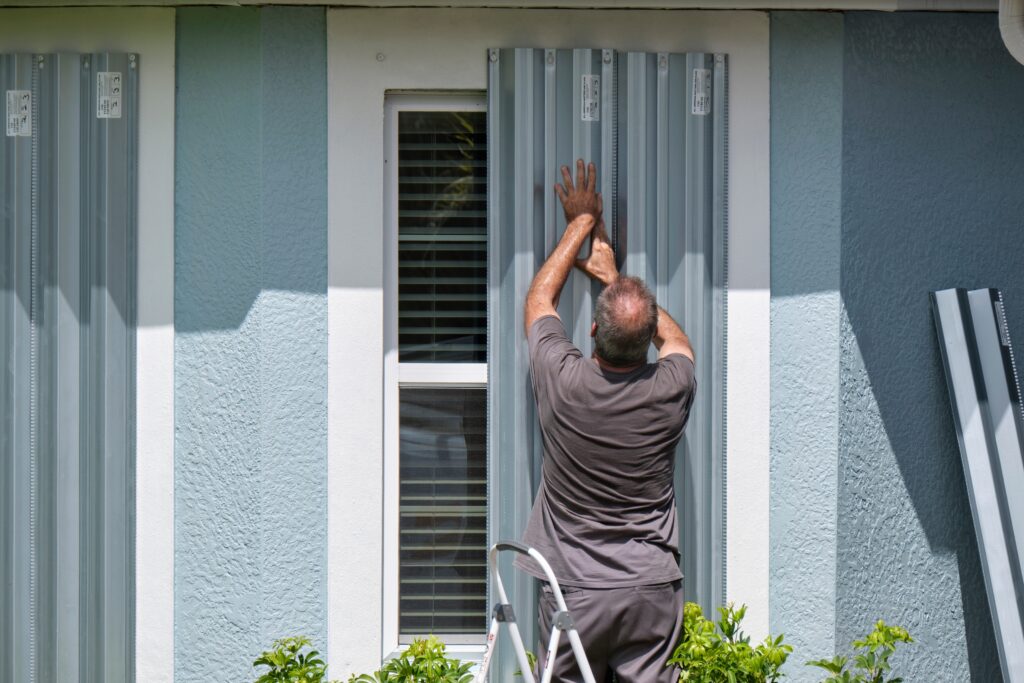
The National Weather Service recommends checking emergency equipment and storm protection before the season begins. Miami-Dade County also tells residents to prepare property ahead of time to reduce hurricane damage risk.
That can include checking shutters, trimming weak branches, securing outdoor furniture, reviewing generator safety guidance, and making sure you know how your home will be protected if a storm is approaching.
6. Make a Plan for Pets and Service Animals
Florida emergency management has specific guidance on sheltering with your pet or service animal, along with information about what to take to a shelter and what to expect there.
Too many families wait until the last minute and then discover that not every shelter or hotel can take animals. Put together pet food, water, medication, vaccination records, leashes, carriers, and tags before there is an active threat.
7. Consider Medical Needs and Power-Dependent Equipment
The CDC advises families to plan ahead before hurricane season and write down emergency phone numbers. Florida disaster guidance also highlights medication planning and support for residents with access and functional needs.
If someone in your home relies on refrigerated medication, oxygen, mobility devices, or powered medical equipment, you may need a more detailed plan than the average household. This is one of the most important parts of storm planning because medical complications can grow fast during long outages and delayed travel.
8. Do Not Forget Your Boat, Marina Plan, or Waterfront Risks
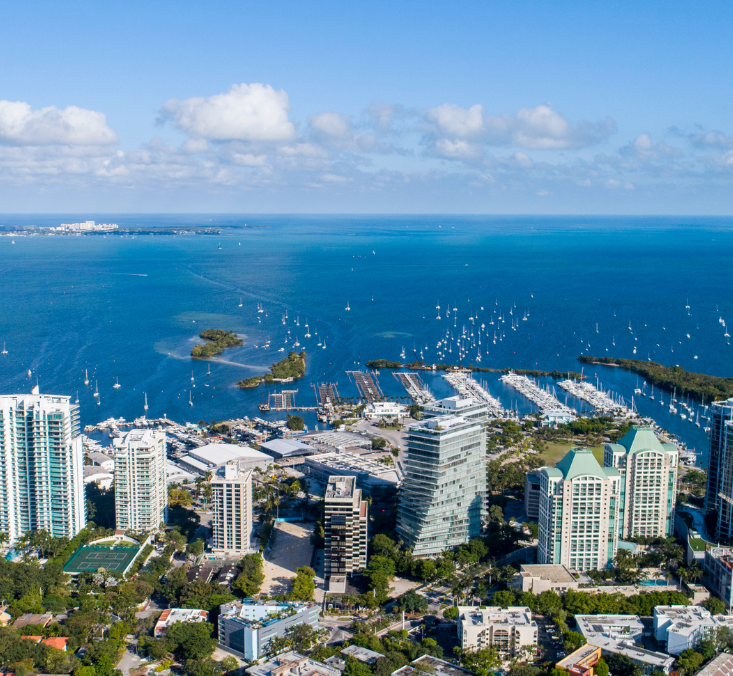
For many Florida families, hurricane preparedness also includes the water. Coastal storms can create serious hazards at docks, marinas, and on recreational vessels. If you own or use a boat, think ahead about where it will be stored, how it will be secured, and when it should be moved.
Waiting too long can leave owners competing for limited marina space, haul-out services, or safe transport options. This is especially important in South Florida, where boating is part of daily life and post-storm conditions can create injury risks long after the eye passes.
9. Plan For the Days After the Storm, Not Just The Day Of
Good hurricane preparedness does not end when the storm moves away. Flooded roads, unstable trees, broken glass, damaged docks, spoiled food, and power lines can all create danger after landfall. Miami-Dade’s emergency guide covers safety before, during, and after a storm, and federal guidance stresses knowing what to do across all three phases.
Families should talk about where they will meet, how they will check in, and what they will do if cell service is weak. You should also think about cash, fuel, charging options, and safe cleanup gear before the storm ever arrives.
10. Review Your Plan Once a Year and Update It
A hurricane plan is not something you make once and forget. Kids get older. Medications change. Pets change. Vehicles change. Homes change. NOAA’s preparedness guidance is built around taking action before each hurricane season, and the same idea applies to families. That small change can turn a loose plan into a useful one.
A short yearly review can help you confirm:
- emergency contacts
- insurance documents
- evacuation routes
- supply kit dates
- pet and medical needs
- battery and charging backups
When Unsafe Conditions or Neglect May Lead to a Personal Injury Claim
Not every hurricane-related injury leads to a legal claim. But in some cases, a serious injury may be tied to unsafe conditions, poor maintenance, or other neglectful practices. In Florida, negligence claims generally center on whether someone had a duty to use reasonable care, failed to do so, and caused injury or damage as a result.
After a storm, examples of potentially unsafe conditions can include falling debris that was not properly secured, poor lighting, damaged docks, marina hazards, or other dangerous conditions on land or near the water. For business properties in Florida, there are also specific statutory rules for some transitory foreign substance claims.
Hurricanes can also expose problems that were there before the storm. In some situations, a storm does not create the danger so much as reveal it. A loose dock structure, unsafe rental equipment, or neglected property condition may become much more dangerous during evacuation, cleanup, or return to normal activity. When that happens, injured victims and families may have questions about whether the harm was caused only by the storm or something else.
Contact Mase Seitz Briggs Today
Hurricane preparedness is really about reducing chaos. You may not be able to control the track, the wind, or the flooding. But you can control whether your family has a plan, a kit, a route, and copies of key documents before the pressure starts.
If a hurricane or severe storm leads to serious injuries on land or on the water, Mase Seitz Briggs may be able to help. Our firm handles Florida injury matters including boating accidents, premises liability, personal injury, and wrongful death.
Contact us today or give us a call at (305) 377-3770.