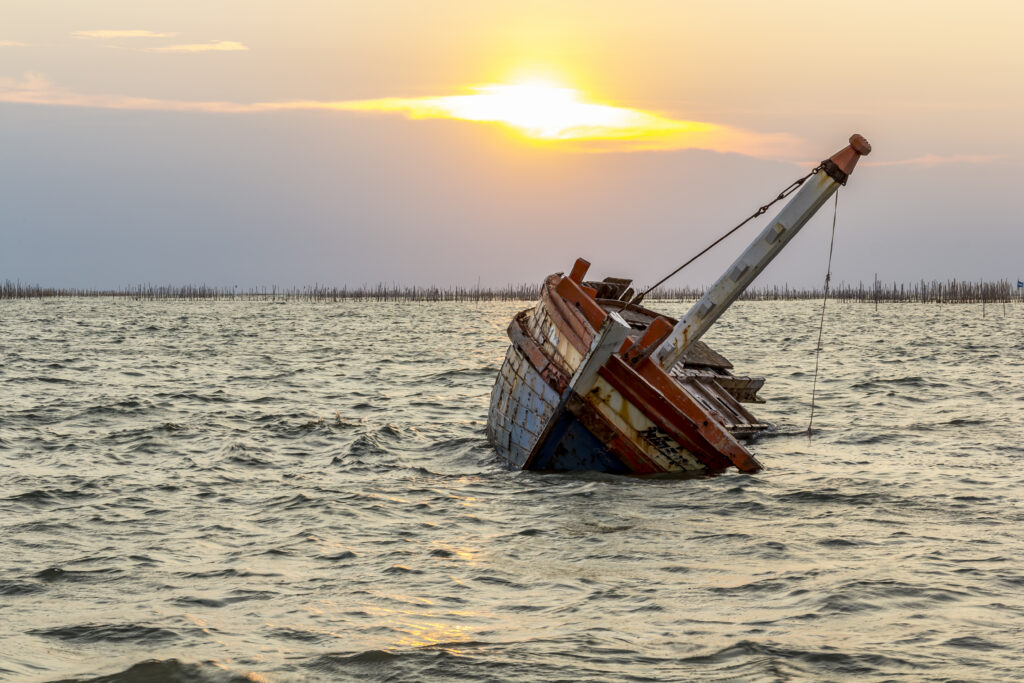
A boat capsizing is one of the most dangerous emergencies a boater can face. Whether caused by rough conditions, overloading, or mechanical failure, a capsized vessel places passengers at immediate risk of injury, exposure, and drowning. Knowing what to do in those first moments can save lives and reduce the severity of injuries.
After the immediate danger has passed, many families are left with questions about medical bills, lost income, and whether the incident could have been prevented. Mase Seitz Briggs’ experienced boat accident lawyers help injured boaters and passengers understand their legal rights under Florida maritime law. As a trusted Florida boating accident lawyer, our attorneys can assist clients in identifying liability and pursuing compensation when negligence plays a role in capsizing accidents.
Immediate Survival Steps: Life Saving Protocol on the Water
Safety is the top priority after your boat capsizes. Panic and disorganization can quickly turn a survivable situation into a fatal one. Following established boating safety guidance can dramatically improve outcomes.
Key survival steps include:
- Remaining calm and conserving energy. Depending on where you are, rescue could take a while.
- Ensuring all passengers have flotation devices. Always double check life vests before embarking.
- Staying visible to nearby vessels. A floating person looks like a speck out in the water, staying near your vessel can protect you from further injuries.
Stay with the Vessel: The "Floating Island" Rule
In most capsizing situations, experts advise staying with the boat unless it is unsafe to do so. Even when overturned, a vessel is easier for rescuers to spot than individuals in open water. No matter whether your boat is a larger vessel or a personal water craft, it is best to stay near them while deploying visibility and rescue measures.
Staying with the vessel helps by:
- Providing flotation and reducing exhaustion
- Making it easier for rescuers to locate you
- Offering shelter from waves and wind
Exceptions may exist if the boat is sinking in fast moving water or poses an immediate danger, but in most Florida boating accidents, remaining with the vessel improves survival odds.
Account for All Passengers and Signal for Help
Once immediate flotation is secured, account for everyone onboard. Injuries are common during capsizing events, including head trauma, fractures, and lacerations.
Steps to take include:
- Calling out to confirm all passengers are present
- Checking for injuries and providing basic aid if possible
- Using whistles, mirrors, flares, or emergency radios to signal for help
After rescue, Florida law requires compliance with FWC boat accident reporting requirements if injuries, deaths, or significant property damage occurred.
Common Causes of Capsizing: Beyond Sudden Storms
While weather is often blamed for capsizing incidents, many accidents occur in calm or moderately rough conditions due to preventable factors. Understanding these causes is important when evaluating liability.
Common contributors include:
- Overloading beyond the vessel’s capacity
- Improper weight distribution
- Sharp turns at high speed
- Wake interaction with larger vessels
- Mechanical or steering failure
- Inexperience when operating rented boats
Negligent boat operation in Florida is a frequent factor in capsizing accidents, especially when operators lack training or disregard safety guidelines.
Determining Liability: Who is Responsible for a Capsizing Accident?
When injuries occur, determining who is responsible becomes a legal question governed by Florida maritime law. Liability depends on the cause of the capsizing and the actions of those involved.
A Florida boating accident lawyer can investigate the facts and identify whether negligence or product defects played a role.
Operator Negligence and Overloading
Boat operators have a legal duty to operate vessels safely and within manufacturer guidelines. Violations of this duty may establish liability.
Examples include:
- Carrying more passengers than allowed
- Ignoring posted weather warnings
- Operating at unsafe speeds
- Making abrupt maneuvers in congested waterways
An overloaded boat accident lawyer may pursue claims when operators fail to follow capacity limits or basic safety practices, leading to capsizing and injuries.
Rental Company and Manufacturer Liability
In some cases, responsibility extends beyond the operator. Rental companies and even boat part manufacturers may also be held accountable.
Potential liability scenarios include:
- Rental companies failing to provide safety instructions
- Poor vessel maintenance or mechanical defects
- Defective boat design that compromises stability
- Faulty safety equipment
Marine product liability and defective boat design lawsuits may apply when structural or manufacturing flaws contribute to capsizing accidents.
Why Legal Representation Matters in Maritime Injury Claims
Maritime injury claims differ from standard personal injury cases. Jurisdiction, applicable law, and damage calculations can vary depending on where the accident occurred and the type of vessel involved.
Legal representation is especially important when dealing with:
- Serious injuries requiring long term medical care
- Maritime wrongful death claims
- Disputes with insurers or rental companies
- Multiple liable parties
A Miami maritime attorney can gather evidence, consult marine safety experts, and navigate the maritime and Florida state law.
Trust the Maritime Attorneys at Mase Seitz Briggs
Mase Seitz Briggs brings decades of experience handling maritime injury cases throughout South Florida. Our firm understands how quickly a routine boating trip can turn into a life altering event and provides steady legal support during uncertain times.
The firm assists clients by:
- Investigating capsizing accidents and vessel conditions
- Reviewing FWC reports and witness statements
- Identifying operator, rental, or manufacturer negligence
- Pursuing compensation for medical bills, lost income, and pain
If you or a loved one has been injured in a boat capsizing accident, speaking with a Florida boating accident lawyer can help clarify your options and protect your rights. To speak directly with our firm, contact us today at (305) 377-3770 to schedule your free, confidential consultation.