Boating is a way of life in South Florida, but even experienced boaters can be caught off guard when equipment fails unexpectedly. Many serious boating accidents are not caused by reckless behavior or bad weather, but by preventable maintenance issues that lead to sudden loss of control, fires, or collisions. When critical systems fail on the water, the consequences can be severe.
Boat equipment failure is one of the most common underlying causes of maritime accidents. Regular inspections and proper upkeep can reduce risk, but when owners, rental companies, or manufacturers cut corners, passengers and other boaters may pay the price. At Mase Seitz Briggs, our Miami maritime and personal injury lawyers regularly handle boating accident cases caused by poor maintenance, defective parts, and overlooked safety issues. Drawing on our extensive maritime law experience, we see firsthand how small maintenance failures can turn into life-altering injuries.
7 Common Maintenance Failures That Lead to Boating Accidents
1. Engine Malfunction or Neglect
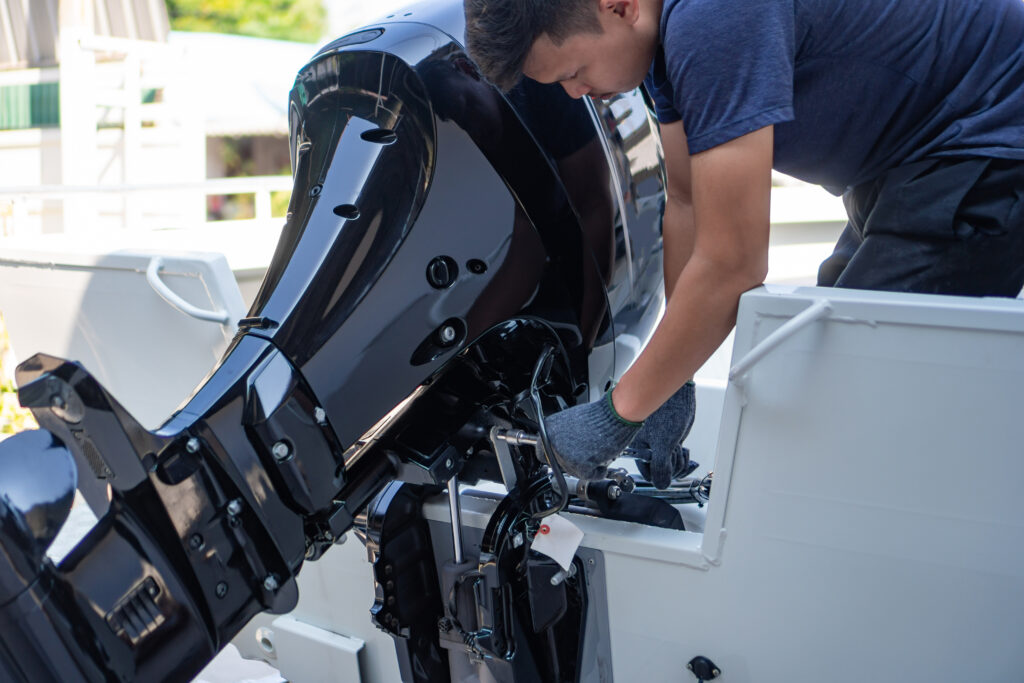
Engine failure is one of the leading causes of boating accidents. Poor maintenance, such as skipping oil changes, ignoring warning lights, or failing to service cooling systems, can cause engines to stall or shut down without warning. Loss of propulsion in crowded waterways or near docks can result in boating collisions, groundings, or passengers being thrown off balance.
Routine engine inspections, fluid checks, and professional servicing are critical. Many engine-related accidents occur because small issues were ignored until they became dangerous.
2. Electrical System Failures
Modern boats rely heavily on electrical systems for ignition, navigation, lighting, and communication. Corroded wiring, faulty batteries, or improper installations can cause power loss or electrical fires. Electrical failure at night or during poor visibility can make it difficult to avoid other vessels or hazards.
Regular inspections for corrosion, loose connections, and battery health can prevent many of these failures. Electrical fires, in particular, are often traced back to neglected wiring or improper repairs.
3. Steering System Problems
Steering failure can leave a vessel unable to turn or respond quickly, especially at higher speeds. Worn cables, hydraulic leaks, or improperly maintained steering components can fail suddenly. When steering issues occur in narrow channels or busy marinas, the risk of collision increases significantly.
Routine testing of steering responsiveness and prompt repairs when stiffness or resistance appears are essential to safe operation.
4. Fuel Leaks and Fire Hazards
Fuel system problems are especially dangerous because they can lead to fires or explosions. Cracked fuel lines, loose fittings, or improper ventilation can allow fuel vapors to accumulate. A single spark can ignite those vapors, putting everyone onboard at serious risk.
Fuel systems should be inspected regularly for leaks, odors, and corrosion. Fires caused by fuel leaks are often linked to poor maintenance or failure to replace aging components.
5. Hull or Propeller Damage
Damage to the hull or propeller can affect a boat’s stability and maneuverability. Small cracks, corrosion, or propeller defects may seem minor but can worsen over time. Hull damage can lead to water intrusion, while damaged propellers can cause vibration, reduced control, or complete propulsion failure.
Regular inspections, especially after striking debris or shallow ground, help identify problems before they lead to an accident.
6. Navigation or Communication Equipment Failure
GPS systems, radar, depth finders, radios, and emergency signaling equipment play a critical role in boating safety. When navigation or communication tools fail due to poor maintenance or outdated equipment, boaters may lose situational awareness or be unable to call for help.
Ensuring that electronics are functional, updated, and properly installed reduces the risk of accidents and improves emergency response if something goes wrong.
7. Bilge Pump or Drainage Issues
Bilge pumps remove excess water from the vessel. If a pump fails or drainage systems are clogged, water can accumulate quickly, especially during rough conditions. Flooding can cause loss of stability or sinking, placing passengers in immediate danger.
Bilge pumps should be tested regularly, and drainage systems should be kept clear of debris. Many sinking incidents are traced back to failed pumps that were never properly maintained.
Legal Consequences of Boat Equipment Failure
When a boating accident is caused by equipment failure, determining responsibility often requires a closer look at maintenance practices and ownership. In many cases, these accidents are preventable, and liability may extend beyond the operator of the vessel.
Boat owners have a duty to maintain their vessels in safe operating condition. Rental companies must inspect and service boats before allowing customers to use them. Manufacturers may also be liable if defective parts or design flaws contribute to equipment failure.
Accidents involving boat equipment failure can lead to serious injury or wrongful death claims under maritime law. Victims may be entitled to compensation for medical expenses, lost income, pain and suffering, and long-term care. Establishing negligence often depends on maintenance records, inspection reports, and expert analysis of the failed equipment.
Injured in a Boating Accident? Our Maritime Lawyers Can Help
If you were injured in a boating accident caused by equipment failure, you may have legal options. These cases often involve in-depth questions about maintenance responsibility, product defects, and maritime law standards. Liability may rest with more than one party, depending on how and why the equipment failed.
The maritime lawyers at Mase Seitz Briggs represent injured boat passengers, operators, and families throughout South Florida. Our team understands how to investigate equipment failures, preserve critical evidence, and identify all potentially responsible parties. We work to hold negligent owners, rental companies, and manufacturers accountable for preventable boating accidents by:
- Reviewing maintenance logs, inspection records, and service histories
- Working with maritime engineers and accident reconstruction experts
- Identifying defective parts or improper repairs
- Determining whether safety standards and maritime regulations were violated
- Pursuing compensation for medical costs, lost income, and long-term harm
When a boating accident could have been prevented through proper maintenance or safer equipment, experienced legal representation can make a critical difference in protecting your rights and pursuing full compensation.
To learn more about your rights or discuss a potential claim, contact us at (305) 377-3770. An experienced maritime injury attorney can help you understand your options and take the next steps toward recovery.