Every spring, thousands of visitors come to the Florida coast for sun, warm water, and adventure. For many, that means renting a jet ski, booking a parasail, or paddling out for the first time. These activities can be genuinely thrilling—but they come with real risks, especially when rental operators cut corners on safety, operators are inexperienced, and crowded waterways leave little margin for error.
Mase Seitz Briggs has represented seriously injured boating accident victims in Miami and throughout South Florida since 1997. If you or someone in your family was injured during a spring break water sport accident, call us at (305) 377-3770 for a free consultation.
How Dangerous Is It?
The numbers tell the story. According to the Florida Fish and Wildlife Conservation Commission’s 2024 Boating Accident Statistical Report, Miami-Dade County had the highest number of boating accidents in the state, with 75 incidents, followed by Monroe County (the Florida Keys) with 69. These are precisely the areas where spring break watersport activity is most concentrated.
Statewide, there were 685 reportable boating accidents in 2024, resulting in 81 deaths and nearly 400 injuries. Personal watercraft (jet skis and similar vessels) were involved in 149 of those incidents, causing 12 deaths and injuring more than 100 people. Most striking: 65% of operators involved in fatal accidents had no formal boating education. That number takes on real weight when rental operators hand equipment to first-time users with little more than a brief orientation.
Common Types of Spring Break Water Sport Accidents
Jet ski collisions. Personal watercraft are involved in more reportable incidents than any other recreational vessel category. Collisions occur with other jet skis, boats, docks, swimmers, and fixed structures (called allisions). Rental operators who hand a jet ski to a first-time rider with minimal instruction can bear real legal responsibility when that inexperience leads to a crash.
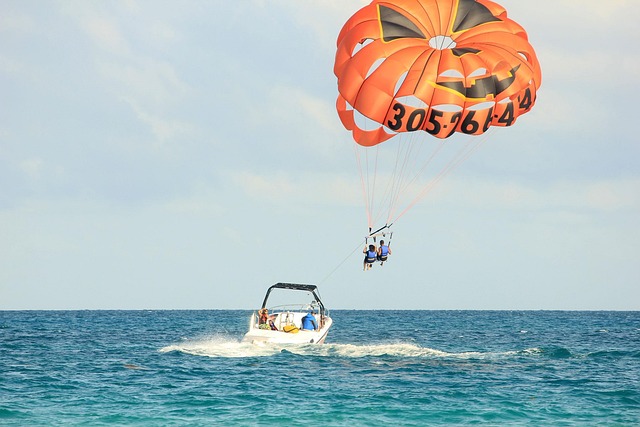
Parasailing accidents. Operators are responsible for every part of the experience: the tow line, the harness, the canopy, and the vessel. The National Transportation Safety Board has noted that there are no federal regulations setting specific training requirements for parasailing operators or requiring suspension of operations in dangerous weather. Florida’s White-Miskell Act establishes state-level safety requirements, and violations of that law can be powerful evidence of negligence in a personal injury claim. When a component fails, the consequences can be catastrophic.
Paddleboard and kayak injuries. Paddlers are among the most vulnerable people on the water—small, low to the surface, and easily missed by operators of larger, faster vessels. Common injuries result from being struck by a motorboat or jet ski, being pulled into strong currents, or using defective rental equipment.
Boat charter and rental mishaps. Spring break charters present a different set of risks: overcrowding, intoxicated operation, untrained guides, and poorly maintained vessels. Under Florida and federal maritime law, owners and charter companies can be held liable for injuries caused by negligent operation.
Common Causes of Water Sport Accidents
Most spring break water sport accidents are preventable. Recurring causes include operator inattention or distraction (including cell phone use at the helm), alcohol or drug consumption, inadequate instruction or safety briefings by rental companies, failure to inspect or maintain equipment before sending customers out, operating in unsafe conditions like high winds or heavy traffic, overcrowded waterways with multiple inexperienced operators, and rental companies failing to confirm that customers actually understand how to operate the equipment.
Common Injuries from Water Sport Accidents
The forces involved in a high-speed jet ski crash, a parasailing equipment failure, or a vessel strike can be sudden and violent. Common injuries include traumatic brain injuries and concussions, spinal cord injuries and fractures, broken bones, lacerations from equipment or propeller contact, soft tissue injuries, drowning or near-drowning, and internal injuries from blunt force trauma. Some injuries do not show up right away. Anyone involved in a watersport accident should be evaluated by a doctor promptly, even if they feel fine at the scene.
What to Do After a Water Sport Accident
- Get out of the water and away from any ongoing hazard.
- Call the U.S. Coast Guard (using VHF Channel 16) or dial 911 if anyone is injured.
- Do not refuse medical attention at the scene, even if injuries seem minor.
- Report the accident to the FWC.
- Photograph injuries, equipment, and the scene if possible.
- Get names and contact information for witnesses.
- Preserve any rental agreements, waivers, or receipts you signed.
- Contact a maritime injury lawyer before giving any recorded statement to an insurance company or rental operator.
What About the Waiver You Signed?
Nearly every watersport rental company will ask you to sign a liability waiver before getting on the water. Many injured tourists assume that signing a waiver means they have no legal recourse. That is often not the case. If a rental company sent you out on defective equipment, failed to provide adequate instruction, or ignored dangerous weather conditions, the waiver may not protect them. An attorney can review what you signed and advise you on whether your claim can move forward.
Why Attorneys Refer These Cases to Us
Watersport injury cases involve specialized law that most personal injury firms are not equipped to handle. Referring attorneys send these cases to us because they require expertise in federal admiralty jurisdiction, the enforceability of waivers under maritime law, and the multi-defendant liability questions that arise when rental companies, operators, and manufacturers all share responsibility. We work cooperatively with referring attorneys under arrangements consistent with the Florida Rules of Professional Conduct.
Talk to Us
If you or a loved one was injured in a spring break water sport accident, contact us at (305) 377-3770 for a free consultation.