Florida is known for its beautiful coastlines, sandbars, and warm weather, but not every stretch of water is easy to navigate. Some inlets and waterways are notorious for unpredictable waves, strong currents, and sudden weather changes. Even experienced boaters treat these areas with caution.
Whether you're a local or visiting from out of state, understanding where Florida's most dangerous waterways are located can help you avoid accidents and make smarter decisions on the water.
1. Haulover Inlet, Miami
Haulover Inlet is famous for its challenging conditions and constant changes in wave height. The inlet connects the Intracoastal Waterway to the Atlantic Ocean, and the combination of strong tides, narrow channels, and heavy boat traffic often creates steep, breaking waves.
This inlet has become widely known online for dramatic videos of boats struggling to pass through rough surf. Even skilled captains can misjudge wave patterns or speed. Staying alert, approaching at the right angle, and respecting the conditions are essential for safe passage.
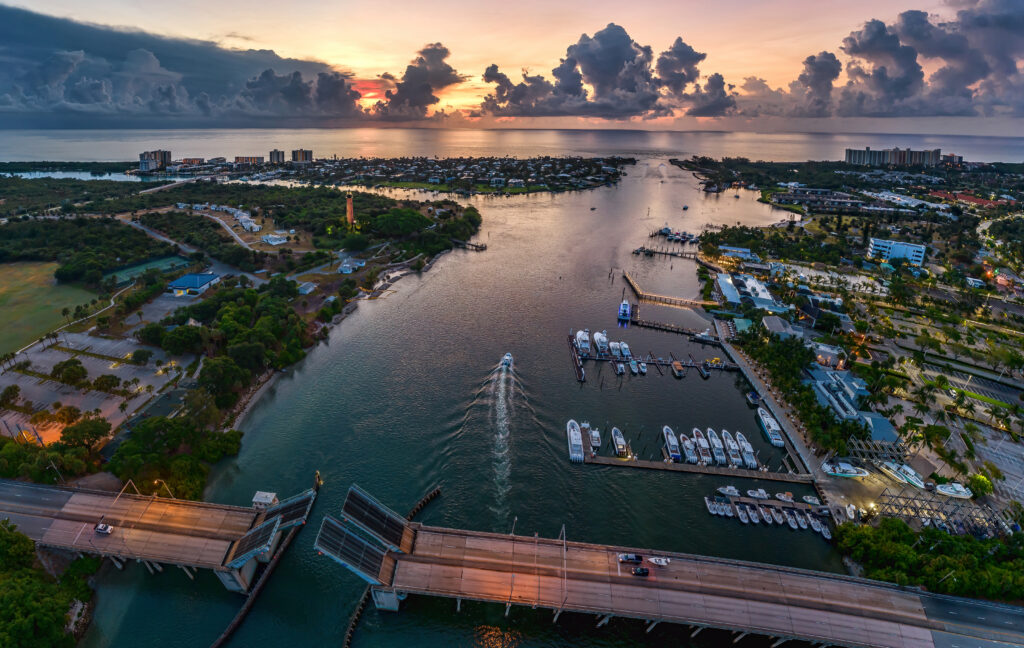
2. Jupiter Inlet, Jupiter
Jupiter Inlet is considered one of the most dangerous inlets in Florida because it can shift from calm to chaotic within minutes. Fast-moving tides meet incoming ocean swells, creating unpredictable chop that can easily toss smaller vessels off balance.
Locals often describe Jupiter Inlet as a washing machine because of the swirling, rolling wave patterns that form when tides and swells collide. These confused seas can slam boats from multiple directions, making navigation difficult even for experienced boaters. Many accidents occur when operators underestimate the strength of the currents or attempt to cross during outgoing tide conditions.
3. Boynton Inlet, Boynton Beach
Boynton Inlet is narrow and shallow, which makes it difficult to maneuver when waves stack up. Fast tidal flows and limited turning space create an especially risky environment for inexperienced boaters. Sudden wave impact can lead to capsizing, engine flooding, or passengers being thrown off balance. Local authorities frequently warn boaters to proceed only when conditions are favorable.
4. Boca Raton Inlet, Boca Raton
The Boca Raton Inlet is known for strong tidal currents and heavy recreational traffic. Its narrow width limits navigation space, especially on weekends and holidays when boat activity spikes. Incoming and outgoing tides can create a powerful pull that challenges even well-equipped boats. Many accidents in this area involve collisions or vessels taking on water when waves break over the bow unexpectedly.
5. St. Lucie Inlet, Stuart
St. Lucie Inlet connects the Atlantic Ocean to the St. Lucie River and the Intracoastal Waterway. Its changing sandbars, shoals, and constantly shifting underwater terrain create risks for grounding and reduced control. Waves can steepen quickly when interacting with offshore sandbars. Unexpected shoaling and complex navigation channels make this inlet one of the more hazardous boating areas in Florida.
6. Sebastian Inlet, Sebastian
Sebastian Inlet is popular among boaters and anglers, but its strong currents and powerful tidal flows make it particularly dangerous. Water rushes through the narrow cut, especially during tide changes, creating rough conditions and swirling turbulence. Boats that approach too quickly or angle incorrectly risk being thrown off course or caught in breaking surf. Many accidents in this inlet involve operator inexperience or attempts to navigate during peak current flow.
7. Florida Keys
The Florida Keys are known for stunning views and clear water, but the region has its own set of hazards. Navigating the Keys requires attention to shallow reefs, narrow channels, shifting winds, and frequent boating traffic. Coral heads and sandbars can cause sudden grounding, and changing winds often produce choppy surface conditions. Tourists unfamiliar with waterway markers and local patterns often face greater risks, especially when operating rental boats or personal watercraft.
How to Stay Safe on the Water
Boating accidents can happen even in calm conditions, but risk increases significantly near dangerous inlets or during strong tides. Practicing safe habits helps protect you, your passengers, and other boaters.
Essential safety tips include:
- Check marine forecasts and inlet conditions before heading out
- Avoid crossing inlets during outgoing tides or when waves appear steep
- Keep a safe speed and avoid rushing through rough water
- Maintain proper lookout for markers, other vessels, and changing currents
- Know your boat’s capabilities, especially in strong surf or shallow water
- Take a boating safety course if you are new to Florida waterways
- Avoid alcohol, which slows reaction time and clouds decision-making
- Stay patient and turn back if conditions appear unsafe
Understanding the waterway is one of the most important parts of safe boating. If conditions don't look manageable, waiting for a better tide or calmer weather can prevent serious accidents.
Mase Seitz Briggs | Your Partner in Boating Accidents
Even the most cautious boaters can find themselves in trouble when navigating Florida's dangerous waterways. If you or a loved one has been injured in a boating accident, you may have the right to pursue compensation for medical bills, lost income, pain and suffering, and other damages.
At Mase Seitz Briggs, we are trial lawyers who prepare every case from day one with the courtroom in mind. Insurance companies know which attorneys will take cases to trial and which will settle for less. When you have trial lawyers on your side, the defense approaches your case differently—they know we have the experience and resources to fight for you all the way to verdict if necessary.
A boating accident can raise complicated questions about wave conditions, navigation decisions, vessel maintenance, and operator responsibility. Our attorneys investigate what happened, gather evidence, work with marine experts, and build cases that stand up in federal court. We've successfully represented clients injured in accidents at Haulover Inlet, Jupiter Inlet, and throughout Florida's most dangerous waterways.
Whether you were injured on a jet ski, while engaging in water sports, or hit by another vessel, we focus on keeping clients informed so you understand each stage of the process while receiving the guidance you need to move forward with confidence. This trial preparation often leads to better settlement offers, but when settlement isn't fair, we're ready to take your case to trial.
To learn more about your rights after a boating accident contact us at (305) 377-3770 to speak with an attorney for your free, confidential consultation.
Maritime law is what we do. Let us put our experience to work for you.