Boat Accidents Involving Channel Markers: What Florida Boaters Need to Know

A vessel running into a channel marker may sound like a freak accident, but on Florida’s busy waterways, it happens more often than most people realize. These fixed and floating navigation aids exist to keep boats safe, yet they can become the center of catastrophic crashes when operators are inattentive, inexperienced, or unfamiliar with the waterway. When a vessel strikes a channel marker at speed—called an allision—the results can be sudden, violent, and life-altering for everyone on board.

Mase Seitz Briggs has represented seriously injured boating accident victims in Miami and throughout South Florida since 1997. Our maritime lawyers have over 100 years of combined legal experience, have won more than 100 jury trials, and have recovered millions for survivors and their families. If you or a loved one was hurt in a boating collision involving a channel marker, call us at (305) 377-3770 for a free consultation.

What Channel Markers Do

Channel markers are navigational aids maintained by the U.S. Coast Guard and placed throughout Florida’s waterways to guide vessels through safe passages and away from hazards. They include red nun buoys, green can buoys, preferred-channel marks, and fixed pilings driven into the seabed. Each communicates specific information about water depth, channel boundaries, and nearby dangers.

One fundamental rule is “red right returning”: when heading from open water inland or upstream, red markers should be kept on the starboard side. Operators unfamiliar with this rule, or simply not paying attention, dramatically increase the risk of a collision or allision. In busy South Florida waterways where markers are closely spaced, and tides shift the visual landscape, that risk is compounded.

Common Causes

Most channel marker allisions are preventable. Recurring causes include operator inattention or distraction, inexperience navigating unfamiliar waterways, excessive speed in restricted channels, alcohol or drug impairment, poor visibility from glare or fog, partially submerged markers that are hard to see in time, failure to consult updated charts, and attempting to overtake another vessel without adequate clearance.

According to the Florida Fish and Wildlife Conservation Commission’s 2024 Boating Accident Statistical Report, collision with a fixed object—which includes channel marker allisions—was the single leading accident type in Florida, accounting for 31% of all reported incidents.

Common Injuries

The high-force impact of a vessel striking a fixed object can cause severe injuries, particularly to those ejected into the water. Common injuries include: 

Some injuries are not immediately obvious. Anyone involved in a channel marker crash should be evaluated by a doctor as soon as possible, even if they feel fine at the scene.

Recent Florida Keys Channel Marker Allision

An allision earlier this year illustrates how quickly these accidents can turn deadly. According to the Miami Herald, on the afternoon of February 20, 2026, a boat struck a channel marker off Tavernier in the Upper Florida Keys, ejecting all six people on board into the water. Four were hospitalized. Boaters in the area helped pull passengers from the water before emergency responders arrived. Two people were airlifted to Jackson South Medical Center, two were treated at Mariners Hospital in Tavernier, and two declined treatment at the scene. The Monroe County Sheriff’s Office and the FWC are investigating.

The waters off Tavernier and throughout Monroe County are statistically among the most dangerous in Florida for boating incidents. The same FWC 2024 report found that 65% of operators involved in fatal accidents had no formal boating training, underscoring how consistently human error drives these outcomes.

What to Do After a Channel Marker Crash

The steps you take in the immediate aftermath matter:

  1. Check passengers for injuries and contact the U.S. Coast Guard or dial 911 if anyone is hurt.
  2. Stay at the scene and assist any passengers in the water.
  3. Document the scene with photos of the marker, your vessel, and any visible injuries.
  4. Collect names and contact information for witnesses.
  5. Preserve the vessel’s GPS records, navigation equipment, and electronic logs.
  6. Report the accident to the FWC.
  7. Contact a maritime lawyer before giving any recorded statement to an insurer or investigator.

Who May Be Liable

Liability depends on the specific facts. Potentially responsible parties include the vessel operator, the vessel owner, a charter or rental company, a marina or dock operator, or a government entity if a missing or damaged navigation marker contributed to the crash. Identifying every party whose negligence contributed to the collision is one of the most important steps in a boating allision claim.

Why Maritime Experience Matters

Boating cases are different from ordinary personal injury claims. They involve a distinct body of federal admiralty law that applies to accidents on navigable waters. Choosing a lawyer without a real maritime background can leave money on the table or derail a valid claim entirely.

Our approach includes independent investigation of the cause, obtaining and analyzing GPS records and navigation logs, identifying all liable parties, working with maritime and accident reconstruction experts, and pursuing the full range of compensation available under both federal and Florida law, including wrongful death damages where a family member was killed.

Why Other Attorneys Refer These Cases to Us

Maritime cases involve specialized law that most personal injury firms are not equipped to handle. Referring attorneys send us cases involving complex liability questions, multiple potentially responsible parties, charter and commercial vessel operations, and federal admiralty issues that require focused expertise. We work cooperatively with referring attorneys under arrangements consistent with the Florida Rules of Professional Conduct.

Talk to Us

If you or a loved one was injured in a channel marker collision or any other boating accident in South Florida, contact our Miami maritime lawyers at (305) 377-3770 for a free consultation. There is no fee unless we win.

Mase Seitz Briggs 2601 South Bayshore Drive, Suite 800 Miami, Florida 33133 (305) 377-3770
Understanding the Rising Tide of Fatal Boating Accidents in Florida

Florida’s waterways are central to the state’s lifestyle, economy, and recreation, but they also carry serious risks. Each year, families are devastated by fatal boating accidents that occur on rivers, lakes, and coastal waters across the state. When a life is lost on the water, the emotional toll is compounded by legal uncertainty, especially when maritime law applies.

Mase Seitz Briggs’ boat accident lawyers help families navigate these difficult moments by providing experienced legal guidance rooted in Florida maritime and personal injury law. As trusted Florida boating accident lawyers, our firm works to identify liability, protect your rights, and pursue accountability after preventable tragedies on the water.

The Recent Tragedy on Crescent Lake

A recent boating accident on Crescent Lake drew attention to the ongoing dangers present on Florida waterways. Multiple individuals were transported for medical care following the collision, highlighting how quickly recreational outings can turn tragic. While investigations remain ongoing, incidents like this underscore the importance of safety, responsible operation, and legal oversight when accidents occur.

It is critical not to sensationalize these events. Instead, they should be viewed as reminders of the real risks associated with boating and the need for clear legal pathways when negligence or unsafe conditions contribute to serious injuries or fatalities. Crescent Lake boating accidents are not isolated events but part of a broader statewide pattern.

Florida Boating Fatality Statistics: A Concerning Trend

According to the USCG, Florida has the highest volume of registered vessels in the country and, unfortunately, boating fatalities as well. Florida boating death statistics show that the sheer volume of vessels on the water increases the likelihood of collisions, operator error, and fatal outcomes.

Reports from the Florida Fish and Wildlife Conservation Commission continue to document fatal incidents involving recreational boats, personal watercraft, and commercial vessels. These cases often result in maritime wrongful death claims when negligence or violations of boating laws are involved.

Why Florida Remains the "Boating Capital" for Accidents

Several factors contribute to Florida’s high rate of boating accidents and fatalities:

The combination of these elements makes Florida uniquely vulnerable to fatal boating incidents, even when weather conditions appear calm.

Common Factors in Maritime Wrongful Death Cases

Many fatal boat accidents share common contributing factors that may establish liability under maritime negligence law:

When these factors are present, surviving family members may have legal options to pursue compensation and accountability.

The Legal Challenges of Maritime Wrongful Death Claims

Wrongful death cases involving boating accidents are often complicated. Depending on where the incident occurred, claims may fall under Florida state law, federal maritime law, or a combination of both. Determining jurisdiction, applicable statutes, and liable parties requires deep knowledge of maritime legal frameworks.

A Miami boating collision accident attorney with maritime experience can evaluate whether claims involve vessel collision liability, personal watercraft accidents, or commercial maritime operations. These distinctions matter because they affect damages, filing deadlines, and who can be held responsible.

How Long Do Families Have to File a Wrongful Death Claim in Florida?

Under maritime law, wrongful death claims are generally subject to a statute of limitations of three (3). In maritime cases, deadlines may differ depending on whether state or federal law applies. Delays can jeopardize a family’s ability to recover damages.

Time is of the essence in wrongful death claims. Families are encouraged to speak with a Miami maritime wrongful death lawyer as soon as possible to preserve evidence and ensure compliance with all legal requirements.

How Mase Seitz Briggs Supports Families After a Waterway Tragedy

Mase Seitz Briggs provides compassionate, strategic representation for families coping with the loss of a loved one in a boating accident. While a legal outcome does not undo the profound loss suffered, the accountability and financial stability it provides can help families move forward.

Our firm’s approach includes:

With deep experience in maritime and personal injury litigation, Mase Seitz Briggs is a reliable advocate for families seeking justice after fatal boating accidents. Whether the incident involves a personal watercraft accident, commercial vessel, or recreational boat, we are prepared to guide families through every step of the legal process.

For families facing the aftermath of a tragic boating accident, speaking with a Florida boating accident lawyer can provide clarity during an overwhelming time. Contact Mase Seitz Briggs today at (305) 377-3770 for your free, confidential consultation and get the help you need.

Fatal Biscayne Bay Barge Collision: A Preventable Tragedy and the Fight for Accountability  

On the morning of July 28, 2025, a devastating and preventable collision unfolded in Biscayne Bay near Hibiscus Island. A commercial barge—a massive steel vessel with limited visibility and maneuverability—plowed into a small sailboat carrying five children and an adult counselor. The sailboat, part of a summer sailing camp operated by the Miami Yacht Club, stood no chance. A witness described the scene: “all the kids went flying off.” Some of the kids and the sailboat itself were crushed underneath the barge.

First responders acted immediately, diving into the bay to recover the sailboat’s passengers. All six passengers were pulled from the water within the hour. Tragically, two children, a 7-year-old and a 13-year-old, were killed. Two other children are clinging to life in critical condition. The camp counselor and one child survived with no reported physical injuries.

This was not a freak accident. This was a failure to uphold the most basic standards of care on our waterways.

A Collision of Negligence

As the investigation unfolds, one thing is already clear: this tragedy could and should have been prevented. The question now is who is responsible and how they will be held accountable.  

Sailboat Operator and Sailing Club

The Miami Yacht Club’s summer sailing camp placed an adult counselor in charge of five children in a busy commercial waterway. And based on preliminary reports, the sailboat may have been outside its permitted sailing zone. That raises questions:

If the answer to any of those questions is “no,” then the Miami Yacht Club may be responsible for these children’s deaths.

Depending on the outcome of the Coast Guard’s investigation, the sailing club could face liability under several legal theories:

The Barge

Commercial barge and tugboat operators are trained, licensed professionals. They have a duty to exercise reasonable care under the circumstances to avoid collisions with other vessels.  If visibility and maneuverability were limited, they may have had a duty to have a lookout. Yet despite this the massive barge crushed a sailboat carrying children. Questions that must be answered:

If the barge crew or tugboat operators failed in even one of these duties, the potential claims include:

Who Had the Right of Way?

Unfortunately, there is no clear-cut answer. Some may argue that the barge had the right of way. Rule 3 of the U.S. Coast Guard’s Navigation Rules does grant exceptions to vessels restricted in maneuverability, but also requires they keep a proper lookout including posting someone where they can see the surroundings if visibility is restricted.

Even vessels engaged in towing have a duty to proceed with vigilance and caution, especially in waters known to host children’s sailboats.

Though the facts are still developing, additional considerations such as the position of the sailboat and barge in the bay, how fast each vessel was moving, and whether either vessel was operating in an area where they shouldn’t have been will be key in determining which vessel was at fault.  Ultimately, this devastating accident serves as a reminder of the dangers that can arise on the water, especially in Florida’s busy waterways. This is not just a case about maritime law. It is a case about the ultimate price paid by innocent children. These families deserve justice. The community deserves answers. And the responsible parties, whether it’s the camp, the tug, the barge operator, or all three, must be held accountable.

Maritime Law Demands Aggressive Representation

If you or a loved one has been involved in a boating accident, timing is critical. The experienced maritime attorneys at Mase Seitz Briggs have decades of experience handling serious boating injury and wrongful death cases. We understand the complexity of maritime law. We know how to take on powerful shipping companies and well-funded clubs. And we don’t back down.

When Security Fails: The SoMa at Brickell Lawsuit and the Legal Duties of Property Owners in Florida

On May 20, 2025, a disturbing report emerged from Miami’s Brickell neighborhood: a 62-year-old woman, identified as Jane Doe in court filings, filed a civil lawsuit against multiple companies tied to the SoMa at Brickell apartment complex. The lawsuit stems from an alleged attempted rape that occurred on the property earlier this month. The plaintiff claims that due to repeated security lapses ranging from broken access systems to lax surveillance, her assailant was enabled to trespass onto the property, into her unit and assault her.  She alleged that the property owners and management companies failed to protect her as required by law.

This case is unfortunately one of many to recently occur in the Brickell area, raising critical questions about negligent security and the duty of care property owners owe to tenants under Florida law.

The Legal Framework: Premises Liability and Negligent Security

Florida law imposes a duty on property owners and possessors to maintain their premises in a reasonably safe condition, which includes protecting against foreseeable third-party criminal acts. This duty arises from both common law principles and, in certain cases, statutory obligations under Florida’s building and housing codes.

The legal doctrine of negligent security holds a property owner liable when a failure to provide adequate security leads to criminal acts that cause harm. Florida courts have consistently recognized this principle:

Allegations in the SoMa at Brickell Case

According to the plaintiff’s complaint, the property owners, management companies, and security contractors collectively failed in several key respects:

If these claims are substantiated, they could establish foreseeability – a cornerstone of negligent security liability. As the court held in Lopez v. McDonald’s Corp., (193 F. Supp. 2d 1235 (M.D. Fla. 2002)), foreseeability may be proven through prior incidents, complaints, or other knowledge that criminal activity was likely.

Duty to Protect Tenants: Florida’s Legal Expectations

While property owners are not insurers of their tenant’s safety, they are expected to take reasonable steps to prevent harm. This includes:

Failure to do so may breach the duty of care under Section 768.0701, Florida Statutes, which governs premises liability for criminal acts by third parties and codifies aspects of foreseeability and causation.

Implications for Landlords and Tenants

This lawsuit could set a precedent for how courts interpret and apply the duty of care in high-density, luxury urban properties. For landlords and property managers, it serves as a strong reminder to:

Tenants, on the other hand, should feel empowered to report security flaws and understand that the law may provide remedies if a property owner’s inaction results in harm.

The Jane Doe v. SoMa at Brickell case illustrates the real-life consequences of failing to take security seriously. Florida law is clear: when landlords and property owners neglect their duty to provide reasonably secure premises, they may be held legally and financially accountable. As urban crime trends evolve, so must the precautions and standards of those who profit from residential leasing.

If you’re a property owner, tenant, or legal professional seeking more insight into negligent security claims in Florida, feel free to contact our firm for a consultation.

Preventable Tragedy: Negligent Security Leads to Assaults

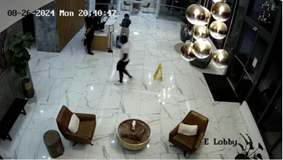
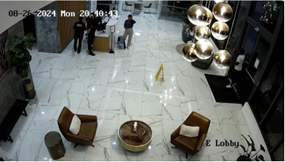
On August 26, 2024, Diontae Blackman illegally entered Downtown 5th – a luxury high-rise apartment building located on 55 NE Fifth Street – and raped a 20-year-old young woman inside her apartment. A building that advertises as “secure remote-control access,” residents of the building assumed they would be safe in their own home. Regrettably, while security may be promised by many luxury high-rise apartment buildings in the Greater Miami area, it is seldom a promise delivered.

Preventable Tragedy: Negligent Security Leads to Assaults

Blackman entering a Downtown, Miami building in August of 2024

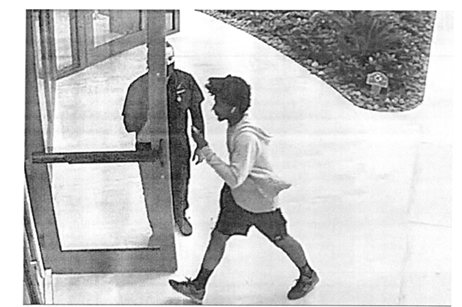
This is not the first time a non-resident has trespassed into an apartment building or condominium and broken into a resident’s home. What’s worse? The August 2024 incident at Downtown 5th is not a first for Blackman, who similarly broke into our client’s home back in May of 2021 and attempted to rape her. There, Blackman followed our client (Jane Doe) past the front door of the building, where an employee/independent contractor for the building held the door open, through the lobby and past the front desk reception area and into an elevator. After stalking Jane Doe to her unit, he forced his way inside, threatened her and beat her with a metal pipe. Blackman was arrested. He plead guilty to a charge of burglary with assault or battery and received a 22- month prison sentence, with credit for 720 days served, and five years of probation.

Preventable Tragedy: Negligent Security Leads to Assaults

Blackman entering a Brickell, Miami condominium in May of 2021

Unfortunately, just four months after he was placed on probation for the Brickell incident, Blackman committed the almost identical crime at Downtown 5th. Like in the Brickell incident, Blackman walked right past the building’s “security measures.” He is now being charged with armed kidnapping, armed sexual battery and burglary with assault or battery.

Mase Seitz Briggs sued Jane Doe’s Brickell condominium building, it’s property management company and the security company they retained, arguing all three Defendants were negligent in securing the building. Mase Seitz Briggs was successful in obtaining a substantial confidential settlement for Jane Doe, and she is now working towards processing this tragedy.

Understanding Negligent Security Cases and the Legal Standard

When you visit a business, apartment complex, hotel, or any other property, you have a reasonable expectation of safety. Property owners and managers have a legal duty to take necessary precautions to prevent foreseeable crimes and protect visitors from harm. When they fail to do so, and someone is injured due to criminal activity that could have been prevented, the injured party may have a claim for negligent security.

Negligent security cases fall under premises liability law, which holds property owners responsible for maintaining a safe environment.

What Is a Negligent Security Case?

Negligent security cases arise when a person is injured due to a lack of adequate security measures on a property where criminal activity was foreseeable. These claims are often brought against property owners, businesses, and landlords who fail to provide reasonable security measures to protect tenants, guests, or customers from harm.

Examples of negligent security include:

If inadequate security contributes to an assault, robbery, or other violent crime, the victim may have grounds to sue the property owner for negligence.

If you or a loved one has been injured due to inadequate security, you may be entitled to compensation. A skilled premises liability attorney can help you build a strong case and hold negligent property owners accountable.

At Mase Seitz Briggs, we have extensive experience handling negligent security cases. If you have questions about your legal rights, contact us today for a free consultation.

Understanding Your Rights: Confidentiality Laws in Florida

Sexual abuse is a horrific violation. The aftermath can be filled with confusion, shame, and fear. Speaking up about what happened can feel overwhelming, especially if you're worried about information being shared with others. However, Florida has confidentiality laws in place to protect survivors who choose to report abuse.

This blog will explore these laws and empower you with knowledge about your options. We'll also discuss the importance of informed consent and when exceptions to confidentiality may arise.

Why Confidentiality Matters 

Confidentiality is a cornerstone of empowering survivors to report sexual abuse. The fear of disclosure can be a significant barrier, preventing victims from seeking help and pursuing justice. Here's a breakdown of why confidentiality matters so much:

By prioritizing confidentiality, we can create a safe space for survivors to come forward, seek the help they deserve, and ultimately begin the healing process.

Limited Exceptions to Confidentiality

While Florida prioritizes confidentiality for sexual abuse survivors, there are a few limited exceptions it's important to be aware of. These exceptions are in place to protect the safety of yourself or others.

Importance of Informed Consent

Disclosing details about your sexual abuse experience can be a difficult decision. Even if the setting doesn't offer complete confidentiality, you have the right to feel empowered throughout the process. Informed consent is paramount here. Before sharing anything, you deserve to understand exactly who will receive the information and for what purpose. This transparency allows you to make informed choices about what details you disclose and ensures you feel a sense of control during a potentially overwhelming situation.

Your Options for Reporting Abuse

Taking the first step towards healing after sexual abuse is an empowering act. Understanding the different reporting options available in Florida, and their confidentiality levels, can help you choose the path that feels safest and most comfortable for you.

Remember, there's no right or wrong way to report. Choose the option that empowers you to take a step towards healing, or even combine them, such as seeking support while filing a report.

Reporting to Law Enforcement

Filing a police report can initiate a criminal investigation. This can lead to holding the perpetrator accountable and potentially obtaining a restraining order. While police reports aren't confidential, you can request anonymity during the investigation. Keep in mind, the process can be lengthy and there's no guarantee of prosecution.

Reporting to a Sexual Assault Victim Advocate

Sexual assault centers provide a safe, confidential space with trained professionals. They offer emotional support, crisis intervention, and can help navigate the reporting process if you choose. These centers also connect you with legal resources and support groups to assist with healing.

Reporting Anonymously

 For those who aren't ready to reveal their identity, Florida allows anonymous reporting through online hotlines or the DCF abuse hotline. While this may not lead to direct action against the perpetrator, it can help identify patterns and take preventative measures.

How an Attorney Can Help You Find Your Voice

An attorney specializing in sexual abuse cases can be a powerful advocate during this difficult time. They can:

Let Mase Seize Briggs Help You Find Your Voice

Give us a call at (786) 751-4714 or fill out the form online to schedule a consultation to speak with one of our attorneys to discuss your potential claim. There is no charge to speak with us to find out if you have a case and no obligation to retain our services.